Getting enough sleep is a big deal when you’re a teenager. School, activities, socializing—everything feels easier when you’ve slept well. But for a lot of teens, falling asleep or staying asleep doesn’t always come naturally. Late-night phone scrolling, busy minds, and a changing body clock can really make it tricky. That’s where sleep aids come in, with tools and habits that help make getting a good night’s rest much smoother.
Why Sleep Is So Important for Teenagers
Getting enough shut-eye isn’t just about feeling less cranky. Your brain grows, repairs, and sorts out memories while you sleep. Teens need about 8-10 hours every night, but studies show most aren’t hitting that target. Sleep affects everything from mood and energy levels to immune health and grades.
Teenagers also go through a big switch up in their sleep-wake cycle, called a circadian rhythm. Because of hormones, it’s totally normal to feel sleepy later at night and want to sleep in. But early school start times and busy schedules can throw things out of balance. That’s why tracking down smart ways to support better sleep is crucial for teens, especially considering all the changes their bodies and brains are experiencing. Good sleep helps your focus, keeps your immune system strong, and supports emotional health during a period when everything can feel up and down.
Types of Sleep Aids Safe for Teenagers
Sleep aids come in more forms than just pills or supplements. For teens, sticking to natural, nonhabit forming options is extra important. Working with a healthcare provider, especially before trying any supplement, is always a smart move. These sleep aids can be broken into a few main categories:
- Behavioral Sleep Aids: Consistent bedtime routines, turning off screens, and relaxation techniques.
- Environmental Sleep Aids: Comfortable bedding, blackout curtains, and white noise machines.
- Natural Supplements: Things like melatonin and herbal teas, but only if cleared by a doctor.
- Sleep Technology: Apps and tools that encourage healthy sleep habits without being overstimulating.
Behavioral Sleep Aids That Actually Work
The things you do before bed can have a huge impact on how fast you fall asleep and how well you stay asleep. Here’s what has helped lots of teens:
- Consistent Schedule: Going to bed and waking up at similar times every day, even on weekends, can make it way easier to fall asleep and wake up feeling refreshed.
- Wind-Down Routine: Reading a book, taking a warm shower, or listening to calming music signals your brain it’s nearly sleep time. Journaling or simple stretches before bed can also work wonders to slow your thoughts.
- Limit Screen Time: Light from phones, tablets, and TVs messes with melatonin. Turning off screens at least 30-60 minutes before bed can make a big difference.
- Mindfulness and Relaxation: Practicing deep breathing, meditation, or even gentle yoga helps calm a busy brain. Apps or podcasts offering guided relaxation can also be helpful if you struggle to unwind.
Environmental Sleep Aids for a Restful Bedroom
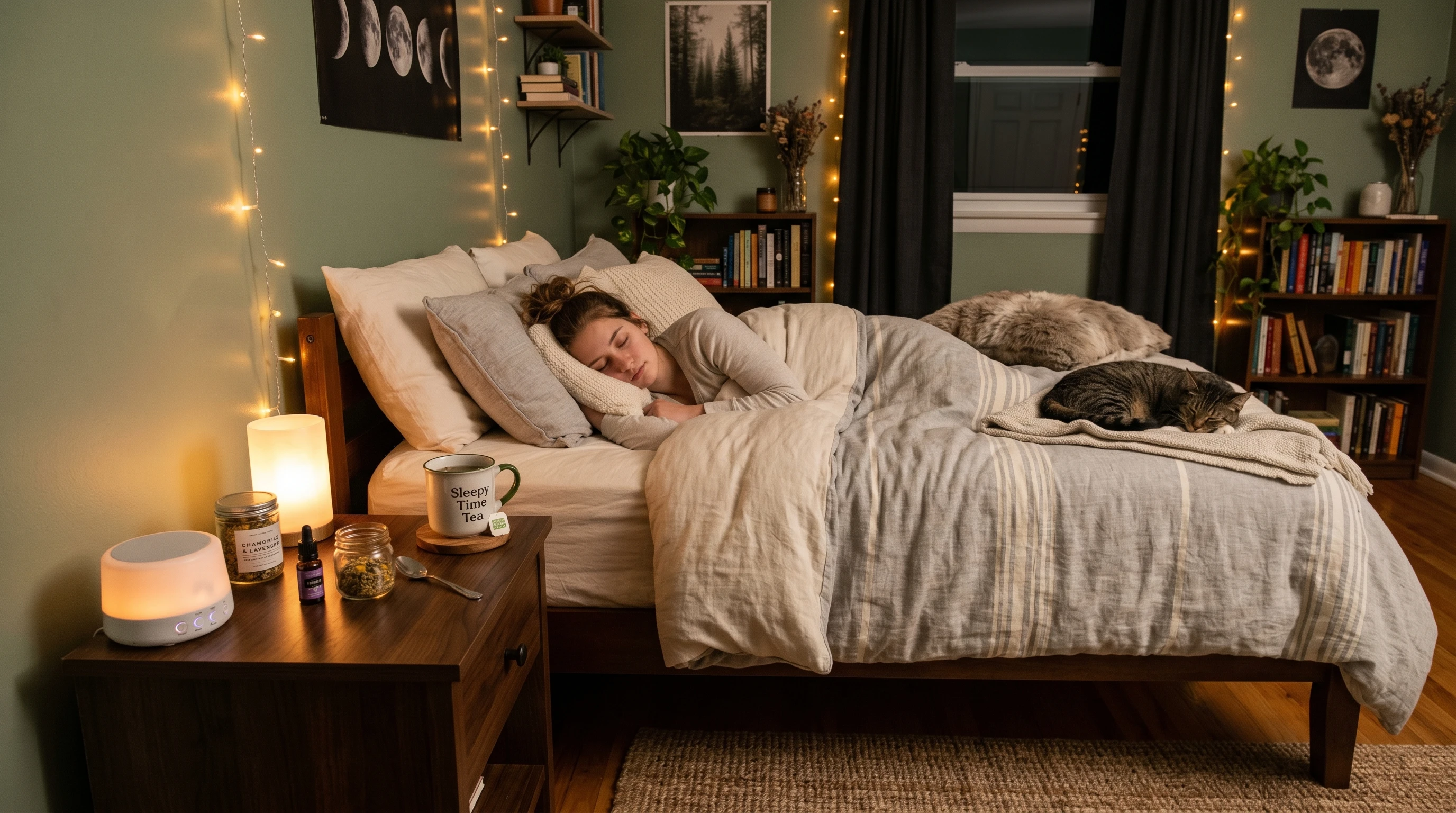
Your sleep environment can either help or hurt your chances of drift-off. Setting up a sleepfriendly bedroom doesn’t have to be complicated or expensive. Some ideas to try include:
- Darkness: Blackout shades or an eye mask help block light that can wake you up.
- Cool Temperatures: Sleep happens best in a room that’s on the cooler side, usually around 65–70°F. If it’s summer or your room gets stuffy, a fan or light bedding can make a difference.
- Comfortable Bedding: Sheets, pillows, and blankets that feel good make it much easier to relax. Try out different pillows to find the kind that supports your sleeping position best.
- White Noise: Fans, sound machines, or sleep apps with gentle background sounds can drown out distracting noises, such as traffic or housemates moving around.
Natural Supplements: Caution and What Really Helps
While some supplements are talked about for sleep, it’s important to be extra cautious for teenagers. Here’s a quick rundown:
- Melatonin: This hormone tells your brain it’s sleep time. Doctors sometimes suggest a small dose for teens, but only as needed and for a short time. More melatonin isn’t better, and long-term use can mess with your natural sleep cycle.
- Herbal Teas: Caffeine free teas, like chamomile or valerian root, are pretty safe and can help you unwind. Just check labels—no hidden caffeine!
Other over-the-counter “sleep aids,” like antihistamines, aren’t recommended for teenagers unless a doctor says otherwise. They can cause daytime grogginess and may even be risky. If you’re ever unsure about what’s safe to try, ask your doctor or a school nurse just to be safe—you want a solution that works for your unique situation, not just a quick fix.
Sleep Technology Worth Checking Out
Apps and gadgets can be surprisingly helpful as long as they don’t turn into another reason to stare at your phone. Here are a few worth exploring:
- Sleep Tracking Apps: These can show how much you’re sleeping and help spot patterns that might be getting in your way. Some wearable devices track sleep quality and wake times, making it easier to see when you get your best rest.
- Calming Sound Apps: White noise, rain sounds, or guided meditations can help ease your brain into sleep mode. Try setting a timer, so you’re not tempted to keep checking your screen.
- Blue Light Filters: Built-in phone or computer settings reduce blue light in the evening, helping your body start winding down naturally.
Common Sleep Challenges for Teenagers
Some sleep issues are more common for teens. Knowing what you’re up against helps you pick the right approach. Here are a few problems that pop up a lot:
- Difficulty Falling Asleep: Racing thoughts, anxiety, or just being wired from a busy evening can delay sleep.
- Waking Up Groggy: Hitting the snooze button multiple times often means you didn’t get enough deep sleep or you’re waking during the wrong part of your sleep cycle.
- Sleep Disruption From Stress: Worry over school, friendships, or future plans can make it hard to stay asleep. Persistent stress may need to be worked through with help from a counselor.
- Oversleeping on Weekends: Trying to catch up by sleeping late throws off your body clock, making it even harder to fall asleep on Sunday night.
What You Can Do About These Issues
- Keep a sleep diary. Even jotting down how much you slept and how you felt in the morning can help spot patterns.
- Try to keep weekday and weekend bedtimes and wake-up times within an hour of each other.
- If stress keeps you up, writing down your worries before bed, talking them out earlier in the day, or journaling can help move them out of your head and let your mind rest.
Things to Consider Before Trying Sleep Aids
Before you start any new sleep aid—even something as simple as herbal tea—it’s a good idea to check in with a parent or doctor. Not all sleep issues are the same. Sometimes, problems falling or staying asleep can be a sign of a bigger health problem, like depression, anxiety, or a sleep disorder. Be sure to:
- Talk Before Trying New Supplements: Even “natural” supplements can interact with other medications or have side effects.
- Don’t Ignore Ongoing Trouble: If sleep issues stick around for more than a couple of weeks, professional help is worth seeking out.
- Stay Away from OTC Sleep Meds: Most are not made for teenagers, and many can carry risks if used without a healthcare provider guiding you.
Why Routine and Habits Make the Biggest Difference
Unlike supplements or gadgets, the best sleep aids are often regular habits. These routines help your body’s own clock work the way it’s supposed to. Building solid sleep patterns pays off way more than relying on any “quick fix.” Plus, healthy routines promote better long-term health and can even improve your mood throughout the day.
Frequently Asked Questions
Question: Can I use melatonin every night if I can’t sleep?
Answer: Melatonin works best for short-term problems or switching up your sleep schedule, not daily use unless a doctor says it’s okay. Using it too often can mess up your natural sleep cues.
Question: Are there any safe over-the-counter sleep aids for teens?
Answer: Most OTC sleep aids aren’t suggested for teenagers without a doctor’s supervision. Herbal teas and bedtime routines are a safer bet.
Question: Is drinking warm milk before bed helpful?
Answer: Warm milk is a classic comfort trick and works for some people. The cozy feeling can help you wind down if you like it.
Question: What if nothing seems to help?
Answer: If you’re trying healthy routines and still struggling, it’s time to talk to your doctor or a sleep specialist. There may be an underlying issue that needs attention.
Key Takeaways for Teen Sleep Health
Better sleep isn’t just about popping a pill or downloading an app. Teenagers benefit most from healthy routines, a relaxing sleep environment, and asking for help when sleep is tough to figure out solo. Little changes—like sticking to a sleep schedule and turning off electronics early—often go a long way toward waking up feeling rested.
It’s always smart to check with a doctor before trying any new supplement, especially during your teen years. Healthy sleep really is within reach, and making the most of simple, safe sleep aids can truly make a world of difference in how you feel every day.