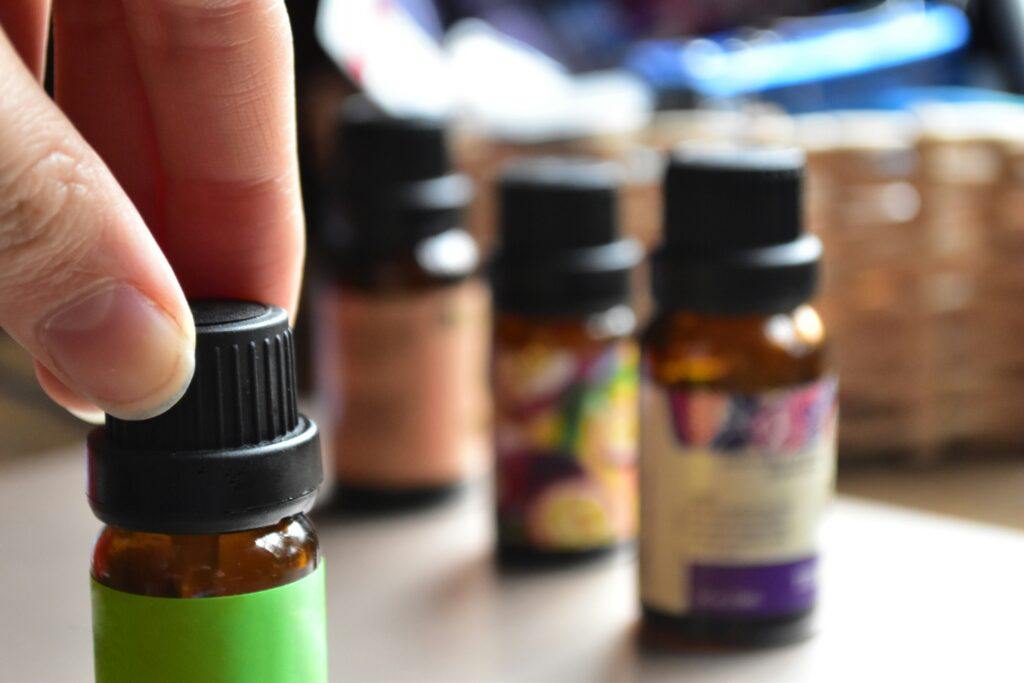
Aromatherapy is all about using natural plant extracts, often called essential oils, to boost your health and well-being. This practice has been around for centuries, with roots in ancient civilizations like Egypt, China, and India. But how does it help with sleep, and why is it worth considering for those restless nights?
Aromatherapy works its magic mainly through the sense of smell. When you inhale the aroma from essential oils, the scent molecules travel directly to the brain, particularly affecting the limbic system. This system is the emotional center of the brain and it influences everything from stress levels to heart rate. So, certain scents can help reduce anxiety, lower heart rate, and create a sense of calm, making it easier to fall asleep and stay asleep.
Scientific studies back up these claims. For instance, research shows that lavender essential oil can improve sleep quality by increasing the amount of slow-wave sleep, also known as deep sleep. This is the stage where your body repairs itself and where you wake up feeling rested. Other studies have shown that scents like chamomile and bergamot can also enhance sleep by reducing stress and anxiety, which are common culprits for poor sleep.
There are plenty of benefits to using aromatherapy for sleep. It’s non-invasive, easy to use, and has very few side effects compared to some prescription sleep aids. Plus, you can tailor it to your preferences, choosing scents that you find most relaxing or using different methods like diffusers, sprays, or even bath salts. It’s a versatile and holistic approach to better sleep that taps into the power of nature to help you unwind and get the rest you need.
Top Essential Oils to Help You Fall Asleep Fast
When it comes to catching those zzz’s, not all essential oils are created equal. Some are particularly known for their sleep-inducing properties. If you’re wondering what essential oils can make you fall asleep fast, here’s the lowdown.
Lavender tops the list. This flower isn’t just pretty to look at; its essential oil is a powerhouse for sleep. Studies have shown that lavender can reduce anxiety and improve sleep quality. It’s often the go-to scent for people who have trouble winding down at the end of the day.
Chamomile is another heavy-hitter in the sleep department. Known for its calming effects, chamomile can help you relax and drift off more smoothly. Whether you use it in a diffuser or dab a bit on your pillow, you’ll likely feel more tranquil and ready for bed.
Bergamot might not be the first oil that comes to mind, but it’s excellent for sleep. This citrusy scent doesn’t wake you up like other citrus oils might. Instead, it has a unique ability to lower blood pressure and heart rate, putting you in the perfect state for sleep.
So, how do you use these essential oils effectively? You’ve got a few options. A diffuser can spread the aroma throughout your room, creating a calming sleep environment. Alternatively, you can use pillow sprays, roll-ons, or even add a few drops to your bath before bedtime. The key is consistency; making it a part of your nightly routine can transform how you sleep.
Essential oils offer a natural, non-invasive way to improve your sleep. Lavender, chamomile, and bergamot are some of the best scents to help you fall asleep fast, but experimenting with what works best for you can turn your bedtime from restless to restful in no time.
Can Aromatherapy Help with Insomnia?
Insomnia can be a real struggle, affecting nearly every aspect of life—from your mood to your overall health. If you’re dealing with insomnia, you might be searching for natural ways to get some much-needed shut-eye. Aromatherapy might be a viable option.
Insomnia isn’t just occasional sleepless nights; it’s a chronic issue that can have serious health consequences, including weight gain, high blood pressure, and impaired cognitive function. The stress of not being able to sleep can create a vicious cycle, making it even harder to rest.
Aromatherapy can offer some relief by creating a calming environment that promotes relaxation and reduces stress. Essential oils like lavender, chamomile, and bergamot can be particularly effective. These oils work by interacting with the limbic system in the brain, which plays a role in emotion and mood regulation.
Combining aromatherapy with other sleep therapies can offer even better results. Cognitive Behavioral Therapy for Insomnia (CBT-I) is often recommended by sleep experts as a holistic approach to treating insomnia. Incorporating essential oils into your CBT-I routine can enhance its effectiveness by helping you relax before bed, making it easier to follow sleep hygiene practices.
But don’t just take my word for it. Many people have found success using aromatherapy to combat insomnia. For example, some users have reported that a nightly ritual of diffusing lavender oil helped them fall asleep faster and stay asleep longer. Experts agree that while aromatherapy isn’t a cure-all, it can be a helpful component of a comprehensive sleep strategy.
Aromatherapy offers a natural alternative for managing insomnia. By incorporating it into your nightly routine, you can create a more relaxing environment that makes it easier to drift off and enjoy deeper, more restorative sleep.
The Most Calming Scents for Better Sleep
Calming scents play a pivotal role in creating a conducive sleep environment. The right aromas can ease anxiety, relax muscle tension, and help set the stage for high-quality sleep. Beyond lavender and chamomile, there are other scents worth exploring.
Ylang-Ylang is a standout for its calming properties. This floral oil not only smells delightful but is known for its ability to lower blood pressure and heart rate. The result is a deeply relaxed state, perfect for drifting into sleep.
Jasmine is another gem. Known for its sweet, exotic aroma, jasmine can help reduce stress levels and improve sleep quality. Some studies even suggest that jasmine’s effects on the nervous system might be on par with common sedatives, but without the grogginess.
Sandalwood is excellent for creating a serene sleep atmosphere. Its woodsy, grounding scent can help relieve tension and promote a sense of calm. Sandalwood also has mild sedative effects, which can be especially beneficial for those who struggle with frequent wake-ups during the night.
Creating a sleep-friendly environment with these scents is easy. Use an essential oil diffuser to disperse the aroma throughout your room. You can also add a few drops of your favorite calming oil to your bathwater or use a pillow spray for a direct source of soothing fragrance.
To amplify the effects of these calming scents, consider pairing aromatherapy with good sleep hygiene. This means keeping a consistent sleep schedule, avoiding screens before bedtime, and creating a comfortable, dark sleeping space.
Calming scents like Ylang-Ylang, Jasmine, and Sandalwood offer a natural way to enhance your sleep environment. By incorporating these fragrances into your nightly routine, you can create a serene and calming atmosphere that promotes better, more restful sleep.