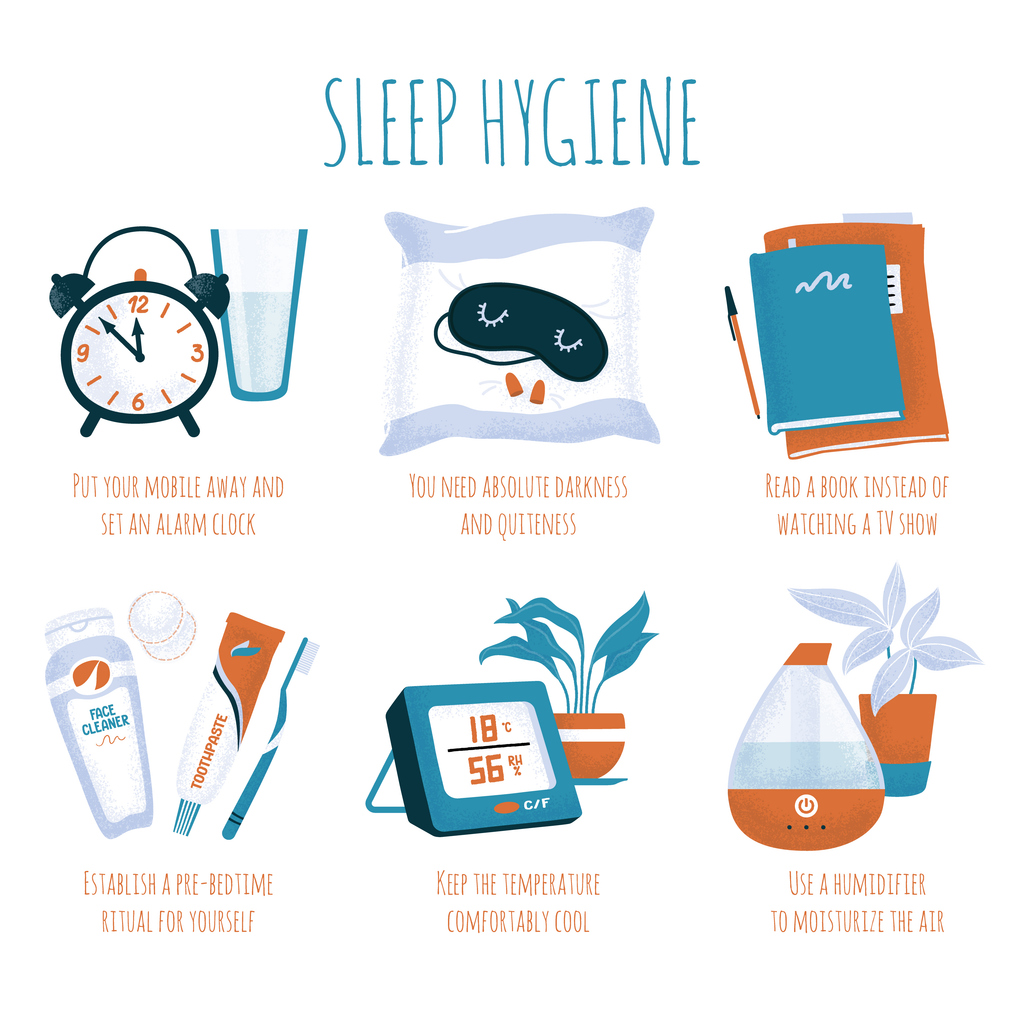
Creating a calming sleep environment isn’t just about aesthetics; it’s about enhancing our well-being. Lack of quality sleep can mess with your mood, productivity, and even overall health.
Think of your sleep space like a sanctuary – an area where your mind and body know it’s time to relax and recharge. When your bedroom signals rest, falling asleep becomes easier, and sleep quality improves.
Experts back this up too. Studies show a significant link between sleep quality and environment. Factors like noise levels, lighting, and room temperature can make or break a good night’s sleep. It’s about crafting a sleep-friendly environment that feels safe and soothing.
Sounds too good to be true? Real-life stories and case studies show the difference a great sleep environment can make. People report feeling more rested, less stressed, and healthier overall when they commit to creating a calming space for sleep.
Bottom line: A calming sleep space isn’t a luxury. It’s a necessity for your mental and physical health. Ready to dive into the specifics on how to set this up? Let’s roll!
Elements of an Ideal Sleep Space: From Bedding to Lighting
Choosing the right mattress and pillows can’t be overstated. A comfy mattress and pillows suited to your sleep style are game-changers. Whether you prefer a firm mattress or something softer, your comfort is key. The right support not only relieves aches but sets the stage for uninterrupted sleep.
Calming colors and decor make a big difference. Think soft blues, greens, and neutrals. These hues are scientifically proven to help reduce stress and create a serene atmosphere. Simple, minimalistic decor avoids clutter and promotes peace of mind.
Room temperature and ventilation are fundamental. Too hot or too cold can disrupt sleep. Aim for a cool, ventilated room—think around 65°F (18°C). Good air circulation keeps the environment fresh and lowers the chances of waking up feeling stuffy.
Lighting might be the unsung hero here. Natural light during the day, dim lights in the evening. Avoid harsh, bright lights before bedtime. Use blackout curtains if early morning light is an issue. A soft night light can help if you need to get up during the night without fully waking yourself up.
Choosing the proper window treatments matters. Blackout curtains can block unwanted light and add a cozy vibe. Night lights or dimmable lamps allow you to manage your nighttime light exposure.
Incorporating Sensory Elements: Sounds, Scents, and Textures
Soundproofing solutions are your go-to for a quieter space. Heavy curtains, rugs, and even soundproof panels can help block out outside noise. A quiet space is a key player in helping the mind to unwind.
White noise machines or apps are lifesavers for masking disruptive sounds. They create a consistent sound environment that helps keep pesky noises at bay. Whether it’s the hum of a fan or rain sounds, find what works for you.
Aromatherapy isn’t just for spas. Specific scents like lavender, chamomile, and sandalwood are known to promote relaxation. Using essential oils in a diffuser or even pillow sprays can work wonders for creating a soothing vibe.
Textures make a difference you can feel. Soft, breathable fabrics for bedding and sleepwear add an extra layer of comfort. Think high-quality cotton, linen, or bamboo sheets—anything that feels great against your skin.
Innovative gadgets can elevate the sensory experience. Weighted blankets bring a comforting pressure, while humidifiers ensure the air isn’t too dry. These small additions can create a sensory haven right in your bedroom.
Maintaining Your Calming Sleep Space: Tips and Best Practices
Decluttering regularly is crucial. A clean, organized room contributes to a peaceful mind. Get rid of anything that doesn’t serve a purpose in your sleep sanctuary.
Routine cleaning ensures a healthy environment. Dusting, vacuuming, and washing bedding keep allergens and irritants at bay. It’s all about creating a fresh, clean space that invites rest.
Seasonal adjustments help maintain comfort. Switch up your bedding with the seasons—lighter fabrics in the summer, cozier options during winter. Adjusting room temperature and humidity also plays a part in staying comfortable year-round.
Assessing and updating your space periodically can keep things fresh. Check your mattress and pillows for wear and tear. Freshen up the decor or try a new calming scent. Little tweaks can make a big impact.
Creating a bedtime routine is the cherry on top. Establish rituals that signal to your body it’s time to wind down. Whether it’s reading, meditating, or gentle stretching, consistency is key to complementing your restful space.