My 3-Step Nightly Tea Ritual (and Why It Works)
Getting quality sleep isn’t just about how early you go to bed — it’s about how well you prepare your body and mind for rest. Over the years, I’ve developed a simple but powerful nightly tea ritual that signals to my body: it’s time to relax. This 3-step ritual is more than just drinking tea — it’s about creating a consistent, calming environment that helps me fall asleep faster and stay asleep longer.
Here’s exactly what I do every night — and why it works.
🌿 Step 1: Brew a Calming Herbal Tea (30–60 Minutes Before Bed)
The first step in my wind-down ritual starts in the kitchen with a mug and a purpose. I choose a caffeine-free herbal teadesigned to calm the nervous system and ease me into a restful state. My personal favorites include:
- Chamomile – gentle and well-known for its sleep-inducing properties
- Lavender – adds both flavor and aromatherapy benefits
- Valerian root – great for nights when I feel especially wired or anxious
- Lemon balm or passionflower – subtle, floral, and effective for relaxation
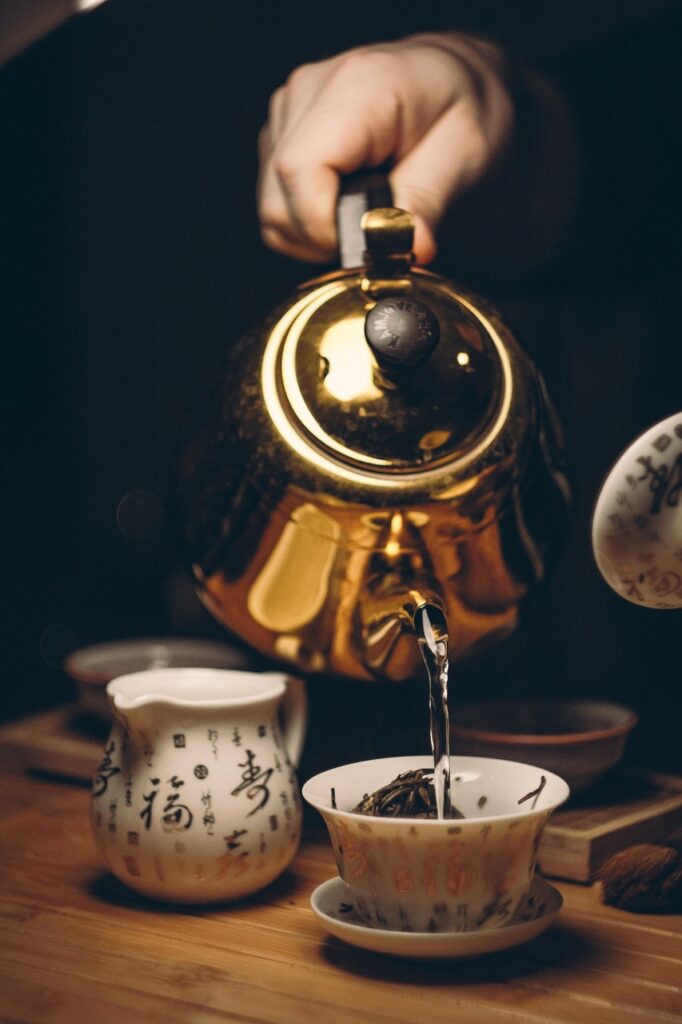
The act of boiling water, steeping the tea, and watching the steam rise is as meditative as the drink itself. I use this moment to intentionally shift out of the chaos of the day and into a more mindful, quiet mode.
✨ Why it works: Herbal teas contain natural compounds like apigenin and linalool that bind to receptors in the brain, encouraging relaxation and preparing the body for sleep. When timed properly (about 30–60 minutes before bed), they help reduce cortisol levels and promote melatonin production.
🕯️ Step 2: Set the Mood With a Calm Environment
While my tea steeps, I take a few minutes to transition my space into a sleep-friendly zone. This is when I switch from bright overhead lights to soft, warm lighting — think bedside lamps, salt lamps, or candles. I also do the following:
- Put my phone away or switch it to Do Not Disturb
- Play soft instrumental music or ambient sleep sounds
- Diffuse lavender or cedarwood essential oil for added calm
- Light a candle (sometimes lavender-scented) and dim the room
If the weather is right, I’ll open a window for fresh air or put on a fan for a gentle breeze. All of this tells my brain: we’re not scrolling, planning, or worrying anymore. We’re winding down.
✨ Why it works: Light and environment play a big role in sleep quality. By reducing blue light and creating a cozy, low-stimulation atmosphere, you’re helping your body shift into parasympathetic (rest and digest) mode — the opposite of the fight-or-flight stress response.
✍️ Step 3: Sip and Reflect (With No Screens)
Now comes the heart of the ritual: I sit down with my tea in hand, away from all screens, and allow myself to just be. Sometimes I sit in silence and focus on breathing. Other times, I write in a journal or read a few pages of a physical book. Here’s what this step often looks like:
- Tea in one hand, journal in the other
- Writing down 3 things I’m grateful for
- Reflecting on one moment from the day that felt peaceful or joyful
- Breathing deeply — 4 seconds in, 6 seconds out
- Reading a calming book (no thrillers or business strategy at this hour!)
If I’m especially anxious, I might include a short body scan meditation or simply sit still and let the warmth of the tea anchor me to the present moment.
✨ Why it works: Reflective practices like journaling or slow breathing help activate your parasympathetic nervous system and lower stress hormones. Pairing this with tea creates a full sensory wind-down experience — taste, smell, warmth, stillness — that trains your body to expect sleep soon after.
🛏️ Why This 3-Step Ritual Works So Well
This ritual isn’t just about tea — it’s about rhythm. By repeating these same three steps every night, I’ve trained my mind and body to associate them with sleep. Over time, the mere act of heating the water or turning on my salt lamp starts triggering relaxation automatically.
Sleep experts agree that consistent bedtime routines signal to your brain that it’s safe to rest. Combined with the natural sedative properties of herbal tea, this ritual becomes a powerful way to reset after even the most stressful day.
🌙 Final Thoughts
You don’t have to do all three steps perfectly to start seeing results. Even if you begin by simply drinking herbal tea in dim lighting and skipping your phone for 20 minutes before bed, you’ll notice a difference. The point isn’t perfection — it’s consistency and intentionality.
If sleep has felt elusive or you’re constantly dragging yourself through the next day, consider building your own version of this nightly ritual. Your future, well-rested self will thank you — and so will your body, mind, and mood.