Exercise isn’t just about chiseling abs; it plays a vital role in sleep hygiene too. The science backs it up—getting your sweat on can translate into sweeter dreams. When we exercise, we use up energy, which helps us feel naturally tired by bedtime. Simple, right?
But there’s more to it. Exercise affects our sleep-wake cycle, also known as the circadian rhythm. This internal clock guides when we feel alert and when we feel sleepy. Moving around, especially in the daylight, helps keep this rhythm ticking smoothly. Light exposure combined with physical exertion can make the body recognize when it’s time to hit the hay.
For those who like to stay active, good news! Regular exercise tends to improve the different phases of sleep. It encourages the body to spend more time in deep sleep—the most restorative type. That’s the stage when the body does its best healing and the mind processes memories. In essence, it’s the phase where you hit that REM cycle jackpot.
So, to all you night owls and early birds alike, working out could just be your secret weapon against restless nights. Feeling more rested means having more energy to tackle whatever your day throws at you.
Best Times to Exercise for Optimal Sleep Benefits
Choosing when to exercise can be a game-changer for your sleep, and it often boils down to personal preference. Some folks swear by a morning session to kickstart their day, while others find that evening workouts help them unwind. But timing matters more than you might think.
Morning workouts can set a positive tone, helping align your internal body clock with natural daylight. This can boost your alertness during the day and make you more ready to slumber when night comes. But if you’re not a morning person, don’t sweat it—different times can work just as well.
Afternoon or early evening exercise strikes a sweet spot for many. Your muscle strength and stamina are typically at their peak, which might mean more effective workouts. Plus, you’re getting active hours before bed, reducing the risk of endorphins pumping you up too close to bedtime.
Late-night exercise can be tricky. While exercise is generally good, hitting the gym right before bed can rev up adrenaline, making it harder to wind down. But if a late workout is your only option, choose lighter activities. A gentle yoga session or stretching won’t disrupt sleep and might aid relaxation.
Ultimately, finding the right time to exercise is all about how your body responds. Experiment with different times and pay attention to how your sleep adjusts. Listen to your body—it’ll tell you what works best.
Choosing the Right Exercises for a Good Night’s Sleep
When aiming for better sleep, it’s not just about when you exercise, but also what kind of exercise you do. Different workouts can have distinct effects on your sleep quality.
Cardiovascular exercises like running, cycling, or even a brisk walk can be fantastic for sleep. These activities raise your heart rate and release endorphins, which can help reduce stress levels. Lower stress can lead to more relaxed sleep, so peppering in some cardio during your routine might just be the ticket for better rest.
Strength training is another solid choice, and it’s not all about bulking up. Lifting weights or resistance training helps increase muscle mass and boosts metabolism. Engaging in these exercises during the day can lead to improved sleep quality at night because your muscles repair themselves during rest. Plus, feeling physically tired can make slipping into deep sleep more seamless.
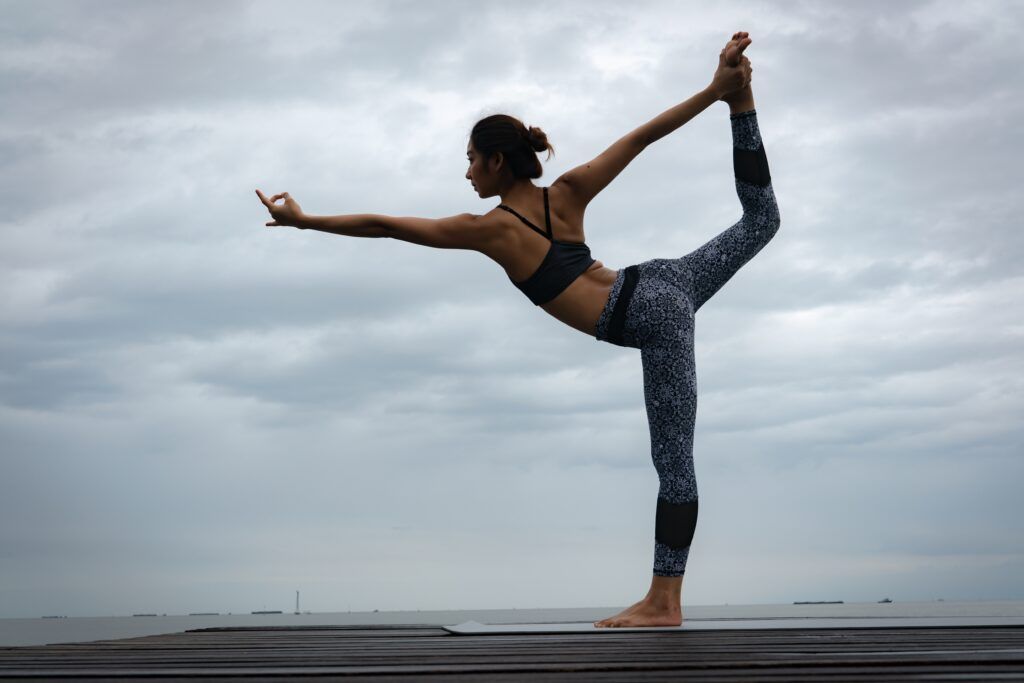
For those days when you’re looking for relaxation, mindfulness exercises like yoga or tai chi are perfect companions before bedtime. These activities focus on breathing and gentle movement, helping to calm the mind and body. Practicing them in the evening can ease your transition into sleep by reducing anxiety and promoting overall relaxation.
Listen to what your body needs and mix it up. Different types of exercise offer varied benefits for sleep, so tailor your activities to what suits your life and stress levels.
Strategies to Balance Exercise with Sleep Hygiene Practices
Balancing exercise with good sleep practices doesn’t have to be a daunting task. The key is integrating exercise into your lifestyle in a way that complements your sleep routine. Consistency is your friend here. Regular exercise, coupled with consistent sleep and wake times, helps reinforce your body’s natural sleep-wake cycle.
Creating a holistic routine starts with understanding your daily rhythm. Once you know when you’re most energetic or tired, you can better plan your workouts. Some people find that a morning jog sets the day right, while others prefer a calming yoga session after work. The important thing is sticking to what works best for you.
Remember, finding balance means not letting one disrupt the other. Late-night workouts might feel exhilarating but can interfere with winding down for sleep. Try to wrap up vigorous activities at least a couple of hours before you aim to rest. If evening exercise is your thing, consider lighter activities like stretching which can aid relaxation.
Also, don’t overlook the impact of post-exercise habits. Hydrating and fueling your body with nutritious snacks can aid recovery and calm your system. Pairing exercise with other sleep-promoting practices, like limiting screen time before bed and crafting a comfortable sleeping environment, can enhance results.
Being in tune with your physical and mental needs makes it easier to establish routines that bolster both exercise benefits and sleep quality. Adjust and adapt as needed, always keeping one eye on how you feel at night. Soon, you’ll find that sweet spot where both exercise and sleep work together, leaving you energized and refreshed.