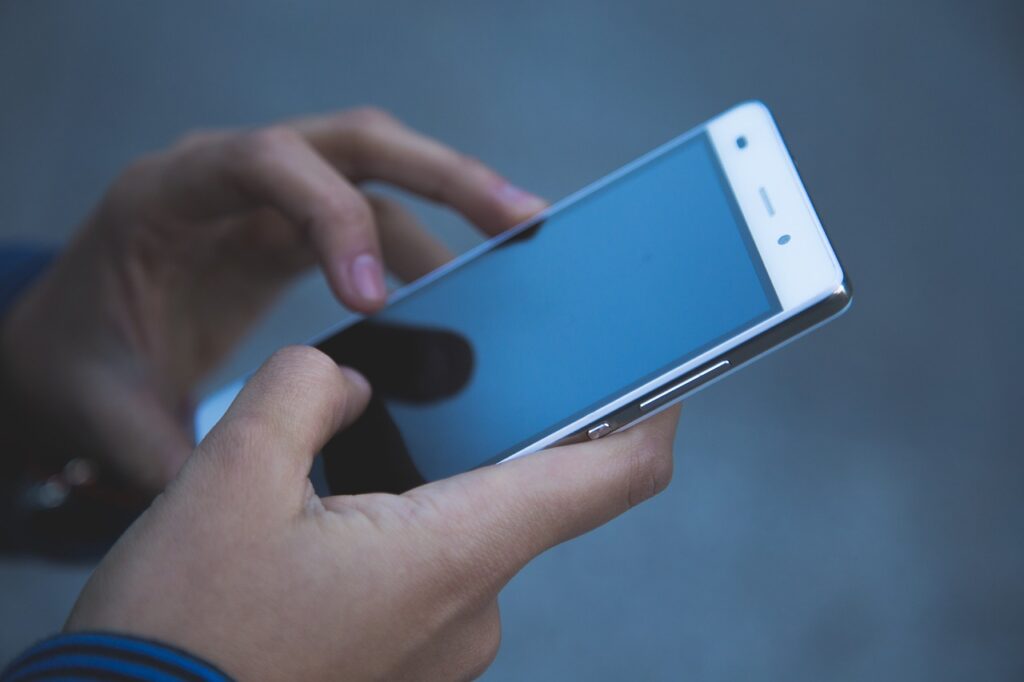
Screen time messes with our natural sleep cycles way more than you might think. It’s all about circadian rhythms—our body’s internal clock that tells us when to hit the sack and when to wake up. Staring at screens before bed can throw this rhythm off course.
The culprit? Blue light. This type of light from screens can trick our brains into thinking it’s still daylight, messing with the production of melatonin—the sleep hormone. When melatonin levels are low, falling asleep becomes a real struggle.
You might not realize it, but spending those late-night hours glued to your devices can also have a psychological impact. This constant screen exposure can heighten your stress and anxiety levels, which are total enemies of a good night’s sleep.
Let’s talk numbers. Studies show that people are getting fewer Z’s thanks to screen time. The average adult scrolls through their phone or watches screens late into the night, affecting their sleep quality and duration. Prioritizing sleep without screens can help regain those precious lost hours.
Practical Tips for Cutting Down on Screen Time Pre-Sleep
Kicking screens out of your bedtime routine can feel like a real challenge, but it’s all about setting the right habits. One game-changer is establishing a digital curfew. Pick a time, maybe an hour or two before bed, when you’ll put your devices away. This helps to tone down that blue light exposure and gives your brain a chance to wind down naturally.
Building a relaxing nighttime routine can also make a big difference. Swap out screen time for other calming activities—reading a book, doing some light stretches, or even a warm bath can help signal to your body that it’s time to chill out and prepare for sleep.
Getting into screen-free hobbies is another trick. Activities like mindfulness, journaling, or even crafting something with your hands not only keep you away from the screen but also help anchor you in the present moment. These activities can be soothing and rewarding, leaving you with a sense of fulfilment as you wind down for the night.
Remember, these changes aren’t just about cutting screen time. They’re about reclaiming your evenings, improving your sleep quality, and starting your next day feeling more refreshed and less stressed. A little consistency can lead to a huge payoff for your mind and body.
Technology as a Tool: Apps and Gadgets to Help Disconnect
It sounds ironic, but technology can actually help you manage technology use. There are some pretty neat apps out there designed for just this purpose. These apps assist you by managing and limiting the time you spend on screens. They’re like a digital coach, reminding you to take breaks and giving you feedback on your habits.
Then there’re blue light filtering solutions, both in the form of apps and glasses. They’re not just cool new tech; they really make a difference by reducing eye strain and helping you filter out some of that melatonin-suppressing blue light.
Don’t forget about the tools already baked into your devices. Most smartphones and tablets today come with ‘digital wellbeing’ options. These features let you monitor your usage and set limits on certain apps. Activating these native settings can be a simple step toward reducing screen time without the hassle of downloading anything new.
Using tech to help cut back on tech might sound counterintuitive, but it works. And once you’ve got the right tools in place, you’ll likely find it easier to taper off your screen time as bedtime approaches.
Long-term Benefits of Reduced Nighttime Screen Use
Stepping back from nighttime screen use does more than just help you get a good night’s sleep. Over the long haul, you’ll find that quality sleep translates into better overall health. You’re giving your body and mind the chance to recover properly, reducing the risk of long-term issues like sleep disorders and even heart problems.
The next day’s productivity can get a serious boost when you commit to cutting out screens before bed. With a well-rested body and a clear mind, you’ll tackle tasks more effectively, making your day run smoother and stress levels lower.
And there’s the bonus of improving your relationship with the people around you. With less screen time, you’re more present and engaged with the world. Those face-to-face interactions become richer, fostering stronger bonds with friends and family.
Taking a little step back from screens at night might seem small, but it sets the stage for a healthier, happier life. It’s all about creating balance and giving yourself the gift of rest, ready to face each new day with the energy and clarity you deserve.