 For anyone who’s struggled with tossing and turning at night, finding natural ways to relax and drift off can be really important. Synthetic sleep aids can leave you groggy in the morning, but there are simple, gentle options you can try instead, like essential oils.
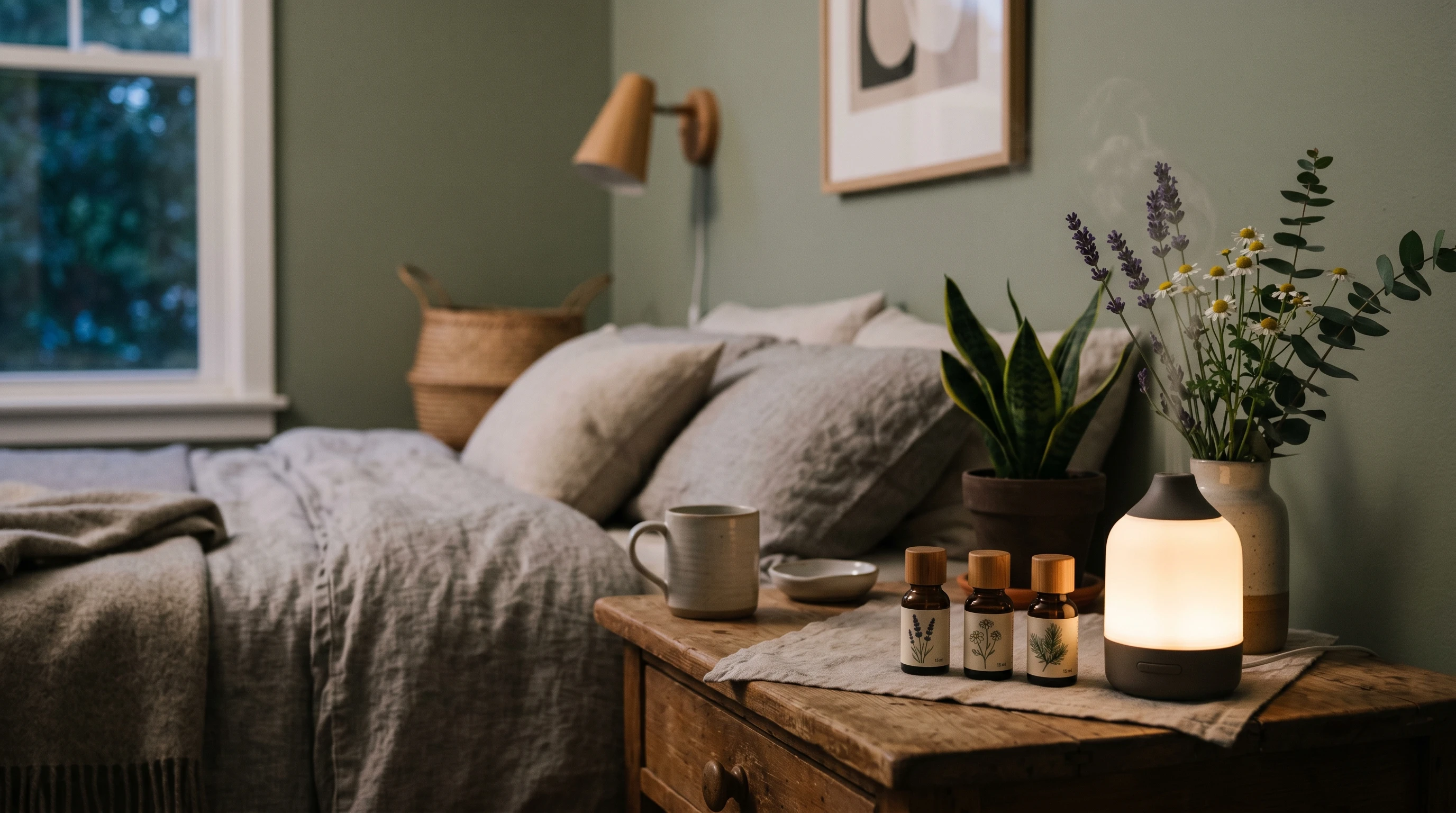
I’ve found that adding the right essential oils to my bedtime routine makes a big difference. Some scents help switch off the mind and create a peaceful sleep environment, whether it’s through a diffuser, pillow spray, or even a bedtime bath. If you’re curious about which oils work best and how to actually use them for better sleep, I’ll break down everything you need to know right here.
This guide covers my top picks for the best essential oils to use for sleep aid, plus tips on how to get the most benefits without any confusion. I’ll also share a few real-world insights, mixing ideas, and safety notes so you can build a calming routine that fits what you need.
1. Lavender Oil: Classic Choice for a Reason
Lavender essential oil is probably the first one that comes to mind when you think about sleep. There’s some good evidence backing up its relaxing effects, and it’s popular for both adults and kids. When I use lavender in a diffuser or sprinkle it on my pillow, I notice it eases tension and helps set the stage for rest.
Why Lavender Helps with Sleep:
- Its scent has been linked to lower heart rate and reduced anxiety.
- Research suggests it may help people fall asleep faster and improve sleep quality (source).
For the best experience, go for high quality, pure lavender oil and use just a drop or two at bedtime. You can even try adding it to a relaxing foot soak or mix it with Epsom salts for a calming bath before bed. This way, you’ll bring extra comfort to your evening routine.
2. Roman Chamomile Oil: Gentle and Soothing
Roman chamomile essential oil is another favorite for winding down. Chamomile, the same plant that’s used in calming teas, produces an oil with a sweet, apple-like scent that makes bedrooms feel extra cozy. I like adding a bit of chamomile to my evening routine when I want a super gentle alternative to lavender.
Benefits You’ll Notice:
- Eases feelings of restlessness and supports relaxation.
- Lessens mild stress and soothes nerves after a long day.
A single drop on your pillowcase or blended with a carrier oil for a nighttime massage can be really comforting. Chamomile oil is also gentle enough for children or anyone with sensitive skin. Just remember to dilute it properly before topical use.
3. Bergamot Oil: Citrus Calming Power
Bergamot has a unique spot in my sleep routine because it smells bright and uplifting, like sweet orange with a hint of floral. Unlike other citrus oils, which tend to be energizing, bergamot is actually calming and is often used to help balance mood and create a peaceful mindset before bed.
How It Works for Sleep:
- Promotes relaxation by lowering feelings of anxiety or overwhelm.
- Pairs well with lavender or frankincense for deeper sleep blends.
Bergamot is photosensitive (it can irritate skin in sunlight), so I mostly use it in overnight diffusers or as a pillow spray, not directly before heading outdoors. If you’re sensitive to strong scents but love citrus, bergamot is a great option to try at home.
4. Cedarwood Oil: Earthy and Grounding
Cedarwood oil brings a warm, woodsy scent to the mix. Sleeping with the smell of cedarwood in the air helps me feel grounded, sort of like spending the night in a cozy cabin. It’s especially nice on nights when my mind feels scattered or when I need something a little different than floral or citrus oils.
How Cedarwood Supports Rest:
- Calms nervous energy and supports a sense of security.
- Works well with vetiver or lavender to deepen sleep blends.
If you like natural, nonfloral scents or want to try something less sweet, cedarwood is worth checking out. I find it pairs nicely with earthy bedding and soft lighting for the ultimate bedtime feel.
5. Vetiver Oil: Deep Calm for Restless Nights
Vetiver oil is a little less common but super useful for sleep. It has a deep, earthy aroma that’s a bit stronger than other oils, but for me, it’s perfect when I can’t stop my mind from racing at bedtime. People often turn to vetiver to unwind after a stressful day or when dealing with occasional sleeplessness.
Why It’s Good for Nighttime:
- Helps reduce mental chatter and encourages a sense of stillness.
- Makes an excellent partner to lavender or sandalwood in custom blends.
Start with just a drop or two in a diffuser, since the scent is powerful at first. I’ve found it mellowing and really effective when sleep feels elusive. If you add it to a warm foot massage, the grounding effect can make your transition to sleep even smoother.
6. Ylang Ylang Oil: Floral Relaxation Boost
Ylang ylang has a sweet, exotic scent, kind of tropical and totally soothing. If you’re into floral fragrances and want a change from the standard lavender or chamomile, ylang ylang is a good pick for unwinding. It’s been linked to lower blood pressure and creating a peaceful mood by the end of the day. Ylang ylang can help ease away lingering stress from your day, making your bedtime softer and more relaxing.
Simple Ways to Use Ylang Ylang:
- Diffuse it on low before bed to gently fill the room with floral calm.
- Add a drop to a relaxing bath for gentle, allover calming effects.
I usually blend it with bergamot or sandalwood to balance the floral notes, creating a more mellow overall scent profile that lulls you into sleepiness.
How to Use Essential Oils Safely for Sleep
Getting the full benefits of essential oils starts with using them safely. Here are some tips I always follow:
- Use a diffuser to spread oils in the air for about 30 minutes before sleep. Make sure your room has some ventilation and don’t run the diffuser all night.
- Make your own pillow spray by mixing 1-2 drops of essential oil with a tablespoon of water and a splash of witch hazel in a small spray bottle. Spray lightly onto bedding before turning in for the night.
- If you want to add oils to a bath or massage, dilute them well with a carrier oil like coconut or jojoba. Never use essential oils directly on skin without dilution—this can cause irritation.
- Start with a small amount to gauge your reaction. If you have allergies, asthma, or are pregnant, talk to your healthcare provider before using new oils.
Double-check that your essential oils are pure, undiluted, and from a trusted source. Labels should list the Latin name, and ideally, GC/MS testing results for transparency. Stay alert to possible sensitivities and patch test whenever you try a new oil.
Best Essential Oil Sleep Blends
Sometimes the magic happens when you combine two or three oils into a sleep blend. Here are a few combos worth trying out:
- Lavender + Roman Chamomile: Classic duo for anyone needing gentle, allnight relaxation.
- Bergamot + Ylang Ylang: Bright yet soothing, perfect for calming anxious thoughts before sleep.
- Cedarwood + Vetiver: Earthy, grounding, and ideal for nights when stress is high.
I like to play with blends in my diffuser to see what smells best to me and works with my routine. Customizing your blend lets you make a mix that fits your own needs and preferences, so don’t be afraid to experiment.
Setting Up a Sleep Friendly Environment
Pairing essential oils with other healthy sleep habits can really maximize the benefits. Some small routine tweaks I’ve found helpful include:
- Turn down the lights and limit screens at least 30 minutes before bed to signal to your brain that it’s time for sleep.
- Keep your room cool and use blackout curtains if needed—darkness helps support our natural sleep cycle.
- Keep a gentle bedtime playlist in the background, or try a white noise machine for extra calm. Soft ambient sounds can take the mind off worries and promote deeper sleep.
- Practice simple breathing exercises or mindfulness to cue your body for rest while the sleepy scents fill the air. This combo can quickly become a powerful sleep trigger.
Final Thoughts
The right essential oils can make winding down at night a much more pleasant experience. You don’t need a complicated setup; just a few drops of a calming scent, a good diffuser or spray, and a welcoming bedtime space. While not a cureall for sleep issues, these oils have helped me shape a gentler, more relaxing nighttime routine that makes restful sleep easier to reach.
Picking the best essential oil for sleep is personal, so try out a few and see what feels right for you. And if you have tips, favorite blends, or questions about starting with oils, leave a comment below. I love hearing what works for others!