Getting quality sleep can feel like a challenge, especially when stress, screens, and daily distractions pile up. I’ve stumbled upon the idea that building the perfect sleep environment makes a big difference, and even small tweaks can give you a better shot at waking up refreshed. If you’re hoping to sleep deeper, fall asleep faster, or just feel more rested, there are some practical steps you can try right at home.
Why Your Sleep Space Matters for Rest
Where you sleep is more than just a place to crash. It actually sets the stage for your whole sleep cycle. Researchers from the Sleep Foundation point out that even simple things like light exposure, temperature, or noise can throw off your sleep patterns. Working with your body’s natural rhythms, instead of going against them, helps you fall asleep more easily and wake up feeling a lot better.
I’ve learned from my own experience that even changing the way my bedroom feels, by making it less cluttered and a bit cozier, helped me wind down at night. When your environment sends your brain the right signals, it’s easier to get the rest you need and recharge fully for the next day.
Getting Started: The Basics of a Good Sleep Setup
Setting up your bedroom for great sleep doesn’t have to be complicated. It usually comes down to comfort, temperature, noise, light, and minimizing distractions. Here are the basics I always focus on:
- Keep it Cool: A bedroom temperature of 60–67°F (15–19°C) works best for most people. Being too warm or cold makes falling asleep harder, so finding your sweet spot can make a difference.
- Block Out Light: Blackout curtains, eye masks, or even just turning off electronics an hour before bed can really help your brain realize it’s nighttime.
- Control Noise: Sometimes total silence isn’t ideal, but neither is street noise or loud TVs. White noise machines, fans, or soft playlists can cover up distractions.
- Pick Comfy Bedding: High quality pillows and breathable sheets give you a better shot at uninterrupted rest. Think about what feels best for you, whether that’s a thicker comforter or something cool and lightweight.
Creating a More Restful Bedroom: Key Elements
Every bedroom is unique, but there are some eye-catching features that make it worth considering if you want a sleepfriendly vibe. Let’s check out a few core elements that I’ve found help a lot of people, myself included.
Bedding and Mattress Choices
This one is pretty straightforward. A lumpy mattress or scratchy sheets can make anyone toss and turn. Memory foam, hybrid, or innerspring mattresses each have their fans. I always suggest trying them out at a store if you can, to get a feel for your favorite. I also look for sheets made from cotton, bamboo, or linen, since they stay breathable and soft throughout the night.
- Mattress Age: Most mattresses last 7 to 10 years before wearing out or losing support.
- Pillows and Mattress Toppers: If you’re not ready for a new mattress, a supportive topper and fresh pillows can give a quick boost to comfort.
Light and Darkness Balance
Our bodies are wired to respond to natural light cycles. Dimming the lights before bed or investing in blackout curtains is worth it. Cover gadget lights or use your phone’s “Night Shift” mode to tone down blue light exposure, which helps support your natural melatonin production and signals your brain it’s time to rest.
Noise Management
Not every bedroom sits far away from busy streets or early rising neighbors. White noise apps, earplugs, or simple fans help drown out background noise and keep things consistent so you’re less likely to wake up suddenly. Even a playlist of soft background sounds, like rainfall, can be soothing as you drift off.
Room Cleanliness and Clutter
I notice I sleep better with less clutter around, and there’s research that backs this up. A tidy environment keeps your mind calmer and reduces stress from seeing laundry piles or cluttered nightstands. Taking a minute or two before bed to straighten up can make going to sleep less stressful and help you feel more at ease in your own space.
The Right Temperature and Ventilation
It may sound minor, but proper airflow is really important. Sometimes cracking a window, using a quiet fan, or running an air purifier makes breathing easier at night. This is especially helpful if you have allergies or live somewhere stuffy, and fresh air always makes the room feel inviting.
Building Your Personalized Sleep Sanctuary
No two bedrooms (or sleepers) are exactly alike. Here’s how I personalize my space for optimal rest, and you might want to try out some of these steps:
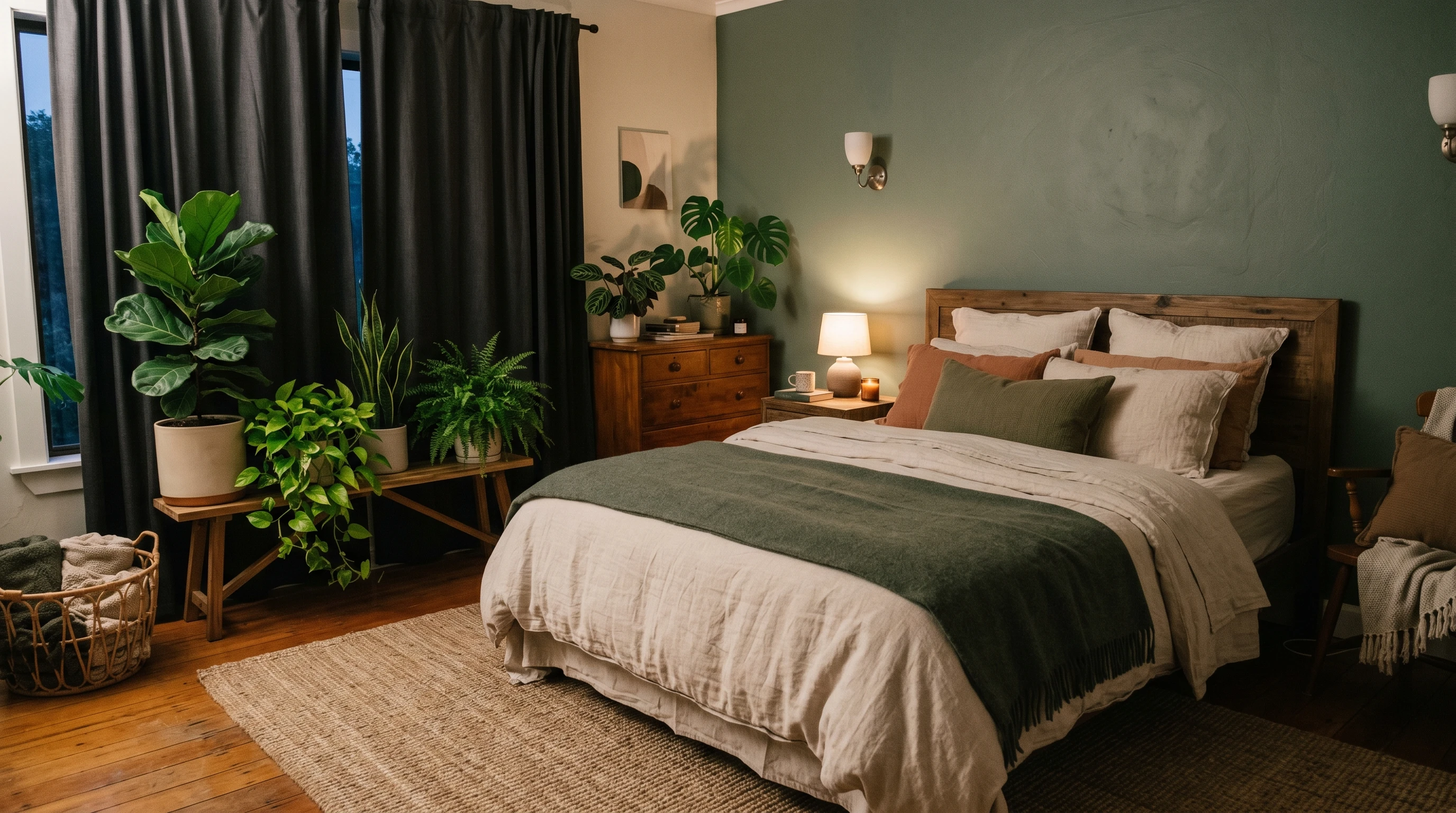
- Choose Calming Colors: Softer paint or bedding colors, like blues, greens, or neutrals, set a chill mood. Loud colors can make your brain feel wired instead of relaxed. Even artwork with mellower tones can help.
- Set Tech Boundaries: Charging my phone outside the bedroom or using “Do Not Disturb” mode stopped those late night interruptions. If you use your device as an alarm, try putting it across the room or face down, so notifications don’t tempt you to check your phone.
- Add Relaxing Scents: Lavender, chamomile, or eucalyptus essential oils in a diffuser provide subtle soothing vibes. Just keep it easy—too strong can be distracting and even disrupt sleep for some people.
- Layer Textures: Combining soft throw blankets, a favorite pillow, or a rug by the bed gives a sense of coziness that signals your brain it’s time to wind down. Soft textures help your body relax faster.
I sometimes like to personalize my sleep space with a plant, a soft reading light, or even a poster with a calming scene. It’s all about making the area feel safe, comfortable, and welcoming to sleep.
Potential Challenges and How to Tackle Them
Sometimes, even when you aim for the perfect conditions, other things can get in the way of sleep. Here are a few common challenges most people face, and what I do to work around them:
- Outside Noise: If city noise or roommates are a problem, using earplugs, thick rugs, or moving the bed away from the window can help cut down on interruptions. Hanging heavier curtains can help block out both noise and light.
- Light Pollution: Streetlights or early sunrises can easily wake you up. I rely on blackout curtains and a sleep mask to make things darker. You can even block door cracks with a rolled towel.
- Pets and Partners: Sharing your bed with pets or a restless partner can disrupt your sleep. Separate blankets or a larger mattress might help. Otherwise, having a cozy bed for your pet nearby instead of in bed with you can also work. If your partner moves around a lot, switching to memory foam reduces motion transfer.
Shutting Off Brain Chatter
Racing thoughts used to keep me up. Keeping a small notepad by my bed gives me a quick way to jot things down and clear them from my head. Guided sleep meditations or calming audiobooks can also help stop the spiral, as can a short breathing routine or mindfulness exercise right before sleep.
Temperature Swings
Changing up my bedding by season is key for me. Swapping in flannel sheets for winter or breathable cotton for summer helps me stay comfortable year round. Experiment with different comforters, and layer lightly if you have a partner who sleeps at a different temperature from you.
Advanced Tips for Going Beyond the Basics
If you’ve taken care of the basics, here are some extra steps I’ve found super useful for getting next-level cool rest:
- Adjust Lighting for Mornings: If you struggle to wake up, a sunrise alarm clock can coax you out of sleep more gently than a harsh phone alarm. These clocks gradually brighten your room, syncing up with your body’s preferences for natural light.
- Try Smart Home Gadgets: Some people use smart thermostats, light bulbs, or plugs to automate the bedtime routine. Dimming lights, dropping the temperature, or playing soft music on a schedule can get you in the right mindset each night.
- Monitor Your Sleep: Fitness trackers or apps can give you feedback on your sleep quality, which helps you figure out what changes work best for you. Positive changes not only show up in your stats, but you’ll feel the difference every morning.
- Introduce Movement During the Day: Light stretching, gentle yoga, or a short evening walk can relax your muscles and ease tension, making it easier to drift off later.
You might also want to experiment with relaxing evening rituals, like having a cup of noncaffeinated tea, reading fiction, or taking a warm bath about an hour before bed. Everyone’s preferences are unique, so pay attention to what leaves you feeling most at ease.
Frequently Asked Questions About Creating a Sleep-Friendly Room
People often ask about building the best environment for sleep, so I’ve rounded up a few useful questions with straightforward answers:
Question: Does the color of my walls really matter?
Answer: Yes, softer color tones are linked to calmer feelings and can help you relax at night. Bold reds or bright colors might keep your brain more active.
Question: Should I keep electronics out of my bedroom?
Answer: If you can, yes. Keeping screens out of the bedroom, or at least away from your bed, reduces blue light and distractions, helping you fall asleep faster.
Question: How do I know if my mattress needs replacing?
Answer: If you wake up with aches, spot sagging, or notice it’s 8 to 10 years old, it might be time for a new one. You’ll likely feel a difference with better support.
Making Your Sleep Setup Work for You
Paying attention to your sleep environment goes a long way toward getting better rest, and it’s honestly kind of fun to experiment with new ideas. Swapping lightbulbs, cleaning up, adding plants, or bringing in a soft blanket could help you stumble upon your own bedtime sweet spot. Over time, you’ll learn what helps you wind down and what keeps you up, and you can adjust things as you go for better and better sleep. Don’t be afraid to try something new if your current routine isn’t quite working—you may stumble upon a small change that makes a huge difference in how you rest and recharge.