
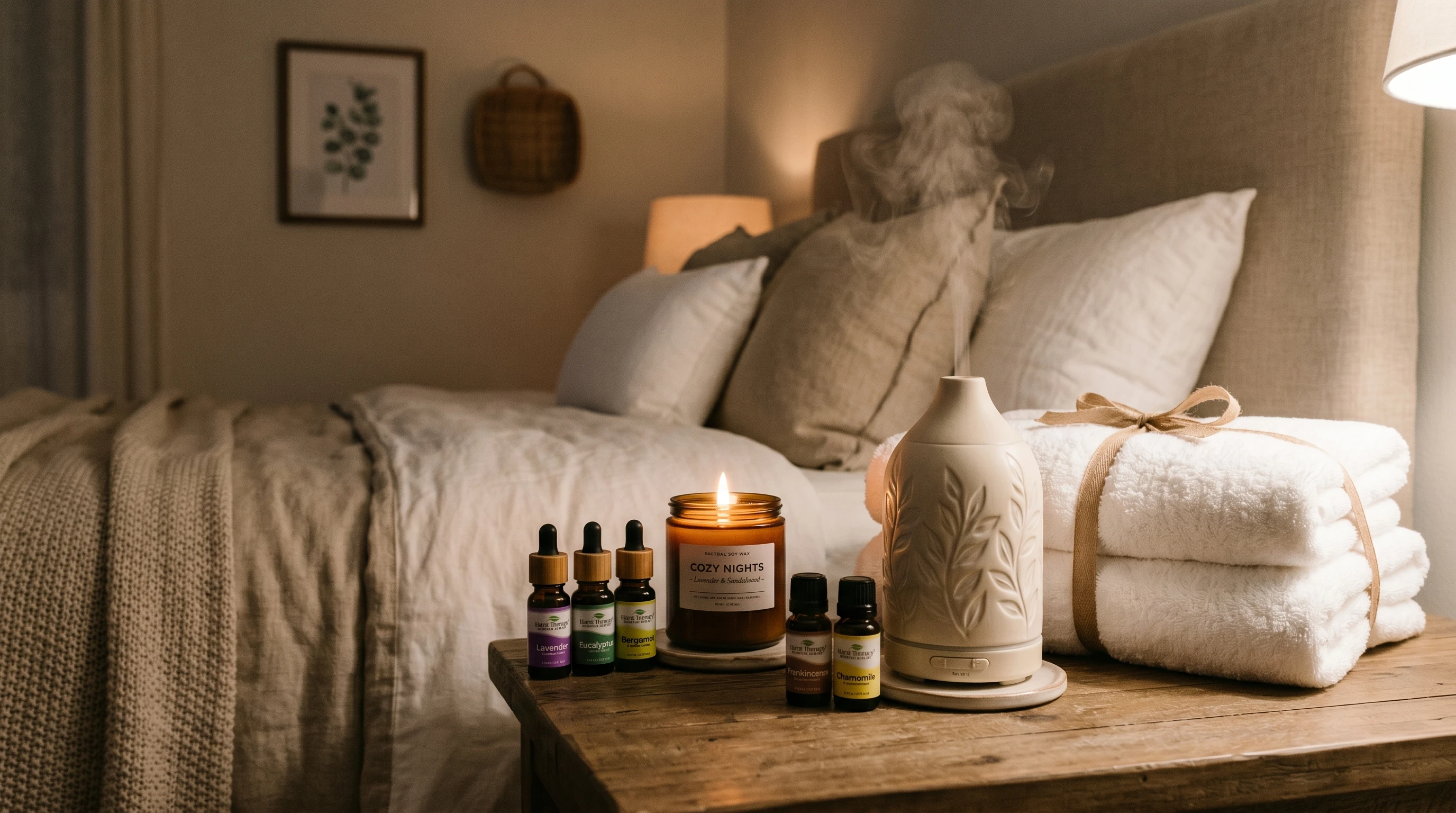
If you’re tossing and turning at night, aromatherapy is one approach that might help you finally get some real rest. I’ve always loved using scents to create a calming atmosphere, but I was surprised how much of a difference the right essential oils made for my sleep routine. Aromatherapy uses plant based essential oils, either diffused into the air or applied in diluted form, to help the body and mind relax. So, if better sleep is what you’re after, here’s how aromatherapy can make your nights a lot more peaceful.
Why Sleep Matters and How Aromatherapy Fits In
Getting enough quality sleep makes a huge impact on how I feel and function. When I’m sleep deprived, I notice headaches, lower energy, and even brain fog during the day. Proper sleep helps my mood bounce back, keeps my immune system working well, and just makes daily tasks easier. According to the Centers for Disease Control and Prevention (CDC), adults need at least 7 hours per night, but almost one in three Americans don’t hit that target (source).
Aromatherapy offers a gentle, low effort way to wind down that doesn’t require screens or medication. Since certain aromas can calm the nervous system, using essential oils at bedtime helps me build a nighttime ritual that signals to my brain it’s time to chill out and rest. The science around it is growing, but there’s already promising research on the link between scents like lavender and deeper, more restful sleep. Even incorporating a scent into your bedtime can quickly connect that aroma with winding down, over time building a strong mental connection between the two. This habitual trigger works as a nudge to relax, further assisting with sleep onset and duration.
What Exactly Is Aromatherapy?
Aromatherapy is the practice of using natural plant extracts, essential oils, for their therapeutic benefits. Different methods can include diffusing oils in the air, adding them to bath water, or applying them to the skin (always diluted). When inhaled, the aroma molecules connect with receptors in the nose, sending messages to the emotional and memory centers of the brain. That’s why some scents make me feel cozy or sleepy, while others can perk me up.
Essential oils are super concentrated; so a little goes a long way. They’re usually made by steam distillation or cold pressing. Each oil has its own effect. For example, some may energize, while others can mellow you out. For sleep purposes, calming oils are the ones to look for.
It’s also important to note that traditional aromatherapy has roots in many cultures around the world. People have used aromatic plants and their extracts for centuries for both spiritual and physical well being. Today, the popularity of essential oils continues to spread fast as more people turn to natural remedies for sleep and relaxation.
Best Essential Oils for Sleep
I’ve tried dozens of scents over the years, but there are a few superstar oils that really shine when it comes to bedtime. Here are some worth checking out if you want to improve your sleep:
- Lavender: One of the most well studied oils for relaxation. Its scent is known to soothe nerves, slow down heart rate, and make falling asleep easier.
- Chamomile: The scent of chamomile is similar to the calming effects of chamomile tea. Great for easing anxiety and generating a peaceful feeling.
- Bergamot: This citrus oil has a unique twist; it’s uplifting but also helps turn down nighttime stress, making it easier to unwind.
- Cedarwood: Earthy and grounding, cedarwood’s aroma encourages deep, slow breathing and relaxation. I like to blend this one with lavender for a cozy mix.
- Clary Sage: This oil is sometimes overlooked, but it’s really helpful for people dealing with hormonal sleep disruptions or general restlessness.
Quality matters here, so I always stick to oils labeled as 100% pure and use brands that are transparent about their sourcing. Oils that aren’t pure or that contain additives might not provide the relaxing benefits you’re after, so reading reviews and sourcing information is worth the extra minute.
How to Use Aromatherapy for Better Sleep
Adding aromatherapy to your sleep routine doesn’t need fancy equipment or complicated rituals. Here are a few simple (and effective) ways I build it into my evenings:
- Diffuser: Fill up an ultrasonic diffuser with water and a few drops of your chosen essential oil. Let it run for 30 minutes as you get ready for bed. This gently fills the room with scent without overwhelming your senses.
- Pillow Mist: Mix distilled water and a few drops of essential oil in a spray bottle; mist it onto your pillow before climbing into bed. Lavenderchamomile blends are awesome for this. Just avoid oils that could irritate your skin or nose.
- Bath Soak: Add a few drops of oil (always diluted with carrier oil like almond or jojoba) to a warm bath. The steam helps the aroma spread and the warm water is great for muscle relaxation.
- Topical Application: Mix your essential oil with a carrier oil (like coconut, almond, or jojoba) and apply to the wrists, chest, or the bottoms of your feet. This works well for people who want a more concentrated, personal scent experience.
Always patch test new oils before using directly on your skin, and never ingest essential oils. Some oils aren’t safe for pets, children, or people with health conditions, so double check before getting started. If you’re trying out a new oil, wait a day to ensure there’s no skin irritation. And when sharing a sleeping space, talk to your partner about scent preferences, since strong smells can affect those around you too.
Common Hurdles and How to Get the Most Out of Aromatherapy
There’s a bit of trial and error when you’re exploring what works for your sleep routine. I’ve learned a few tricks along the way that make the process smoother:
- Allergies and Sensitivities: Not every scent agrees with everyone. If you’re prone to allergies, start with a very small amount and avoid oils that can trigger asthma or headaches.
- Quality Control: Watch out for synthetic additives in cheaper oils. Always buy essential oils from reputable companies, and avoid anything with “fragrance oil” on the label, as these usually aren’t made from real plants.
- Scent Overload: It’s tempting to use more oil for a stronger scent, but too much can overwhelm your senses and even do the opposite of relaxing you. Stick to a few drops, especially in smaller rooms.
- Consistency: The best results come from regular use. Integrate aromatherapy into a nightly wind down ritual, not just when you feel desperate for sleep.
Adjusting to new aromas can take time. Give each method at least a few nights before switching, since your body and mind might need a little while to get used to the change. Pairing essential oils with another relaxing bedtime habit, like a short meditation, can help add to the calming effect.
Allergies and Safety
Anyone dealing with allergies, respiratory issues, or sensitivities should do a patch test before using a new oil or diffuser blend. Always keep oils away from eyes and mucus membranes. Pets, especially cats, can have severe reactions to certain essential oils, so check with your vet if you share your sleeping space with furry friends (ASPCA guidance).
Picking Reputable Brands
I read labels closely and check for third party testing or transparent batch reports before buying oils. The essential oil industry isn’t tightly regulated, so doing a little research helps buyers make informed decisions. You might also check for organic certifications if avoiding pesticides is important to you.
Tips for Creating a Soothing Sleep Environment
Pairing aromatherapy with other holistic sleep tips gives you the best shot at waking up well rested. Here’s what I’ve found really helps make the most of bedtime scents:
- Avoid screens an hour before bedtime: Blue light can mess with melatonin production, which cancels out even the best relaxing scents.
- Keep the room cool, dark, and comfortable: Lower temperatures and blackout curtains do wonders in creating a sleepy vibe.
- Stick to a consistent bedtime: Your brain and body love routines, so regular aromatherapy combined with a stable sleep schedule gently encourages better rest.
- Layer other calming habits: A good book, soft music, or some light stretching all go nicely with relaxing scents. For those who like a tactile aid, weighted blankets pair well with calming aromas as a way to ease anxiety and prep the body for deeper sleep.
Real World Aromatherapy Success Stories
When I added lavender and cedarwood to my wind down routine, I found myself falling asleep much faster. Friends I’ve shared these ideas with have told me about feeling less anxious at bedtime and waking up without as much grogginess. Clinical studies, such as one published in Evidence Based Complementary and Alternative Medicine, have noted similar benefits. Regular use of lavender oil aroma can improve sleep quality, especially for people struggling with insomnia. Even people who previously only used over the counter medications said the scents offered a gentle option, or a way to supplement their existing strategies. Anecdotally, parents with young children have also said diffusing chamomile in the nursery helped settle bedtime nerves and made the transition to sleep much easier for everyone.
Frequently Asked Questions
Question: Can I use essential oils every night?
Answer: Yes, many people use aromatherapy safely on a nightly basis. Make sure to air out the room during the day, and monitor for any sensitivities that might develop over time. If you notice headaches, nausea, or irritation, take a break and reevaluate which oils you’re using and how much.
Question: What’s better, a diffuser or pillow spray?
Answer: This is really about your personal preference. Diffusers fill the whole room, which can be more immersive, while pillow sprays give a more localized scent and work well for sharing a space. Both are convenient and easy to use, so experiment to see what fits your nightly routine better.
Question: Are there any oils to avoid for sleep?
Answer: Peppermint, eucalyptus, and other intense or energizing scents can sometimes wake you up instead of relaxing you. Stick to softer aromas at night. Some spicy or minty oils might be stimulating, so they are best reserved for morning or daytime use.
Final Thoughts
Adding aromatherapy to your nightly routine is an easy, enjoyable way to upgrade your sleep quality. Mix things up until you find the scents and methods that work for you, and feel free to experiment with gentle blends. Sleep is such a huge part of feeling your best; building a simple routine with calming scents is a practical step toward better nights and brighter mornings. With some patience and consistency, aromatherapy could be the missing piece in your journey toward great rest.