If you’re tossing and turning at night, you’re definitely not alone. Sleep struggles can sneak up on anyone, but small tweaks to your bedroom often make a big difference. I’ve experimented with a bunch of simple changes, and I’m happy to share the ones that helped me, and lots of others, score better sleep without spending a fortune or overhauling my whole space.
Choosing the Right Atmosphere for Sleep
Your bedroom mood matters more than you’d think. Creating a vibe that feels calm and restful helps signal to your brain that it’s time to wind down. Small changes here can set the tone everyone needs for solid rest.
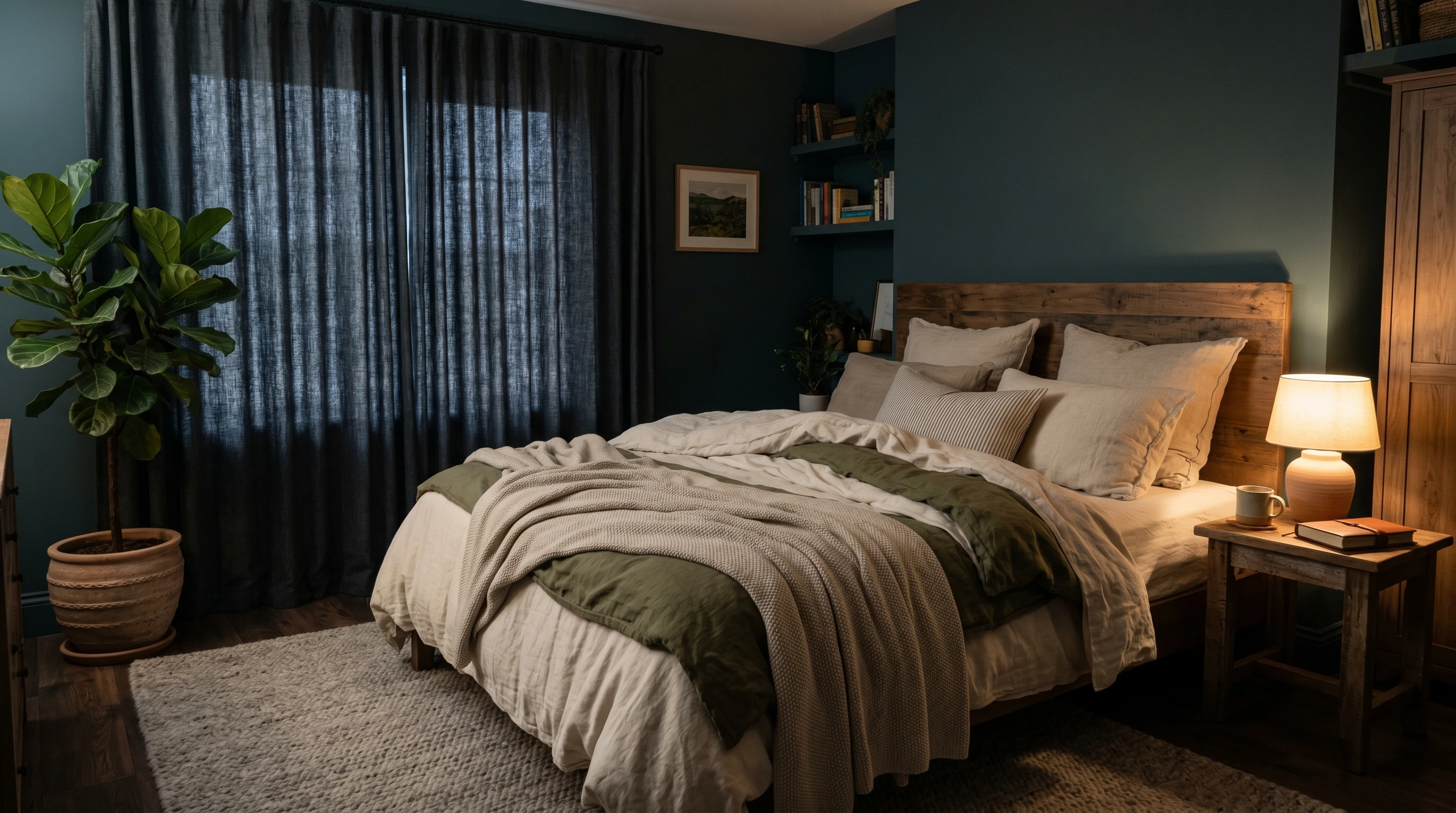
Colors like soft blues, light greys, or gentle greens are known for being relaxing. Swapping out flashy décor for more neutral or muted tones takes less than an afternoon but often lowers anxiety and helps your mind slow down before bed. Heavy patterns and neon colors tend to energize, while gentle shades do the opposite, helping your brain settle at night.
Plants are another way to make your space feel serene. I often keep a small snake plant or peace lily on my nightstand. Plants like these help purify the air and introduce a bit of nature, which can soothe stress after a busy day. Even if you don’t have a green thumb, there are plenty of hardy options worth checking out.
Optimizing Bedroom Lighting for Better Sleep
Light is one of the biggest factors that messes with sleep. I used to work on my laptop late into the night, not realizing all that blue light was tricking my brain into thinking it was daytime. Switching up your light sources can seriously improve how easily you fall asleep.
- Block Out External Light: Thick blackout curtains or even just a good eye mask can make a huge difference, especially if street lamps or early morning sun wake you up before you’re ready.
- Swap Overhead Lighting for Lamps: Soft lamps or dimmable LED strips create a cozy glow, rather than blasting your eyes with harsh overhead bulbs before bed.
- Evening Routine: A couple of hours before bed, I keep my lights low and switch to warm bulbs whenever possible. Light bulbs labeled as “soft white” or with a color temperature around 2700K are great options.
If you like falling asleep while reading or watching something, blue light blocking glasses or app filters are worth considering. Even a small change in your tech habits could help your body know it’s actually time to rest.
Keeping It Cool, Comfortable, and Clutter Free
Temperature, comfort, and keeping clutter under control can all affect how easily you get to sleep, and how long you stay there. I’m big on making my space feel like a refuge, not a storage unit or a workspace.
- Find Your Ideal Room Temperature: Most people get better sleep in a room that’s around 65°F (18°C), give or take a couple of degrees. If your room runs hot, a small fan or opening a window can help. Cold? Toss an extra blanket at the foot of the bed.
- Declutter Your Space: Messy rooms can spike stress subconsciously. Clearing laundry piles, organizing bedside tables, and keeping only what you need within reach can calm your mind. I set aside ten minutes once a week for a super quick tidy up, and it definitely pays off.
- Keep Work Out of the Bedroom: Using your bedroom as an office makes it hard for your brain to switch gears. If there’s nowhere else for your desk, try covering work stuff at night or cornering off part of the room just for sleep.
Upgrading Bedding and Sleeping Surfaces
Bedding and mattresses are easy to overlook, but they’re super important when it comes to feeling comfortable and relaxed. Some small swaps can make getting cozy for bed a whole lot easier.
- Pillows: The ideal pillow supports your head so your neck stays aligned with your spine. If you wake up sore, try adjusting pillow height or firmness. Sometimes, just flipping your pillow to the cool side helps you fall back asleep fast.
- Sheets and Comforters: Breathable materials like cotton, bamboo, or linen help regulate temperature. Synthetics sometimes trap heat and make you sweat, which definitely doesn’t help anyone fall asleep. It’s worth rotating bedding with the season—lightweight in summer, heavier when it’s cold.
- Mattress Comfort: If replacing your mattress isn’t in the cards, mattress toppers can refresh your sleep setup. I added a mediumfirm memory foam pad to my toosoft mattress, and it totally changed the way I sleep for the better.
Pro tip: If you have allergies, looking for bedding labeled as hypoallergenic may give a boost to your nightly comfort. Regularly washing your pillowcases and sheets also keeps dust mites at bay and makes your bed feel fresh.
Controlling Sound and Scents
Noise and smell aren’t just background details, they play a big role in creating a sleep friendly environment. Some adjustments here can make a real difference, especially if you live in a noisy area or share a space.
- White Noise Machines and Apps: I’ve found white noise, rain sounds, or soft nature recordings drown out distractions. For urban noise or roommates, small fans work as well. There are free apps that let you customize the exact mix of sounds that keeps you relaxed without waking you up overnight.
- Scented Options: Mild scents like lavender, chamomile, or sandalwood can help relax muscles and calm anxiety. I usually lean on a subtle essential oil diffuser or pillow spray. Just keep any scents soft, heavy or artificial fragrances can irritate sensitive noses and disrupt sleep.
- Keep Pets’ Distractions Low: Love sleeping with your dog or cat? Try giving them a designated pillow or blanket so they settle in without waking you up during the night.
Easy Sleep Boosting Habits in the Bedroom
Even if you’ve set up the perfect bedroom, certain daily habits have a big impact on sleep quality. Shifting your bedtime routine helps cue your mind and body for rest, and these habits are pretty painless to work into your evenings.
- Stick to a Schedule: Try to head to bed and get up at the same time each day, even on weekends. It might sound boring, but this naturally trains your internal clock.
- Keep Tech Out of Reach: I find that keeping my phone on the other side of the room reduces latenight scrolling. If you use your phone as an alarm, putting it away means you’ll actually need to get up to turn it off, too.
- Introduce a Simple Wind Down Routine: Whether it’s reading, gentle stretching, or jotting down tomorrow’s to dos in a notebook, having a few calming rituals helps create a consistent transition to sleep. I keep a book ready at my bedside for nights when I just can’t relax.
Drinking a warm, noncaffeinated beverage like herbal tea about an hour before bed can also help signal to your brain that it’s time to unwind. Avoiding caffeine, alcohol, and large meals close to bedtime can also keep sleep disruptions at bay.
Common Questions About Bedroom Sleep Tweaks
Here are some goto answers for things I get asked all the time about making bedrooms more sleepfriendly:
Question: Should I get a weighted blanket?
Answer: Weighted blankets can be really soothing for some people, especially if you deal with anxiety. Start with a lighter weight (around 10% of your body weight) to see if it feels comfortable for you.
Question: How often should I change my bedding?
Answer: Changing bed sheets once a week is a solid rule to follow. Fresh bedding feels good, cuts down on allergens, and helps your bed stay a relaxing place to be.
Question: What’s the best way to keep my bedroom cool in summer?
Answer: Choosing light cotton bedding, using a fan, and keeping blackout curtains drawn during daytime hours are all pretty handy for trapping cool air inside and kicking summer heat to the curb.
Question: Will a humidifier help me sleep?
Answer: Humidifiers can be super useful if you wake up with a dry throat, itchy skin, or sinus issues, especially in winter when indoor air tends to be drier.
Simple Bedroom Upgrades for the Long Haul
Setting up your bedroom for better sleep isn’t about shelling out for fancy gadgets. Small switches, like calming colors, smarter lighting, breathable bedding, and a less cluttered setup, help turn your bedroom into a zone where good rest feels natural, not like a fight.
Mixing and matching these tweaks until you land on something that feels good for you can lead to real improvements in how fast you fall asleep and how well you stay there. The next time you’re aiming for a better night, think about one or two easy switches you can try; sometimes even a tiny nudge is enough to get things moving in a restful direction.